Unveiling the Importance of Regular Property Maintenance
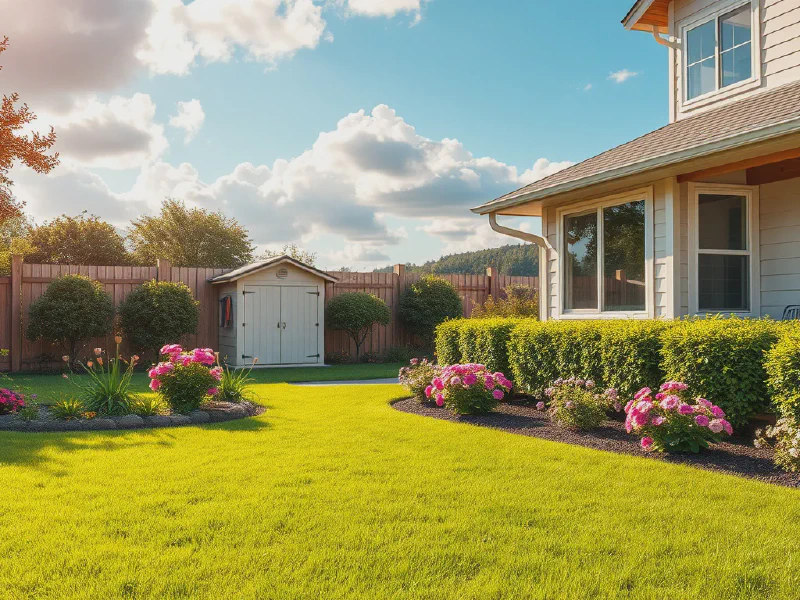
The Ultimate Guide to Property Maintenance
Property maintenance is a crucial aspect of managing any property, whether residential or commercial. It involves regular upkeep, repairs, and management of various systems to ensure the property remains in good condition, safe, and functional. By prioritizing property maintenance, property owners can enhance their living environment, prolong the lifespan of their investments, and prevent costly repairs in the future.
One of the key benefits of effective property maintenance is that it preserves the aesthetic appeal of a property. Regular tasks such as landscaping, painting, and other beautification measures can make a property more inviting and valuable. Additionally, property maintenance helps in identifying potential issues early, thereby saving owners from unforeseen expenses and extending the life span of crucial systems such as plumbing and electrical work.
In today's fast-paced world, technology has transformed the way property maintenance is conducted. From online scheduling and management tools to automated reminders for inspections and repairs, property maintenance has become more efficient. Utilizing technology not only streamlines the maintenance process but also allows property owners to keep detailed records of all activities carried out, enhancing accountability and facilitating future planning.
Moreover, property maintenance is not just about physical upkeep. It plays a significant role in ensuring the safety and well-being of the occupants. Regular inspections and maintenance check-ups can prevent structural failures and mitigate hazards that might pose risks to residents or employees. By adopting a proactive approach to property maintenance, owners and managers can create a safer and healthier environment for everyone.
In summary, property maintenance is an essential investment that pays off in numerous ways. By ensuring a property is well-maintained, owners can enhance its value, ensure safety, and create a comfortable living or working environment for all occupants.
Regular inspections and timely repairs are essential for effective Property Maintenance, ensuring lasting value and tenant satisfaction.
Financial Benefits of Property Maintenance
One of the most significant financial benefits of property maintenance is the increased property value that comes from consistent upkeep. Properties that are regularly maintained tend to appreciate better in the market, attracting higher offers from potential buyers or renters. A well-maintained property gives a positive impression and demonstrates to potential investors or tenants that the property is cared for and in good working order.
Additionally, by addressing issues early and conducting regular maintenance, property owners can significantly reduce repair costs. Small problems, if neglected, can escalate into major repairs that are much more costly. For example, a minor leak can lead to severe water damage if not addressed promptly, resulting in expenses far exceeding the cost of regular maintenance.
Moreover, consistent property maintenance can positively impact property insurance premiums. Insurers often assess the risk associated with a property, and well-maintained properties are seen as lower risk. This can lead to reduced premiums, saving owners significant amounts of money each year.
Health and Safety Implications
Health and safety are paramount considerations in property maintenance. Regular inspections can help prevent accidents and injuries by identifying hazards such as faulty wiring, loose railings, or slippery surfaces. By ensuring that a property is safe, owners protect their tenants and themselves from potential lawsuits and liability claims.
Neglecting property maintenance can lead to serious health issues, such as mold growth and pest infestations. These problems can have significant consequences for the health of occupants, leading to respiratory issues and other health concerns. Regular maintenance helps to detect and mitigate these risks promptly, ensuring a healthy living environment.
Additionally, property owners have legal responsibilities to maintain their properties up to code. This includes adhering to building codes, safety regulations, and health standards. Failing to comply can result in legal action and financial penalties, making regular maintenance not just a matter of convenience but a legal obligation.
Scheduling and Planning Maintenance Tasks
To effectively manage property maintenance, creating a seasonal maintenance checklist is essential. Such a checklist can outline tasks that need to be addressed throughout the year, from winterizing plumbing systems to checking air conditioning units before summer. This proactive approach minimizes the risk of last-minute repairs and ensures that maintenance is distributed evenly throughout the year.
The role of technology in scheduling maintenance is ever-increasing, with many property owners utilizing property management software or applications. These tools can streamline the scheduling process, allowing for automated reminders and facilitating communication with maintenance personnel. This not only saves time but also ensures that tasks are not overlooked.
Long-term planning for renovations and upgrades also falls under the umbrella of property maintenance. By planning for larger projects, like roof replacements or kitchen remodels, property owners can budget accordingly, preventing sudden financial burdens. Regular maintenance helps inform these decisions, as ongoing assessments of the property's condition will guide the timing and necessity of such upgrades.
Professional vs. DIY Maintenance Options
When it comes to property maintenance, property owners may face the decision of whether to hire professional services or tackle tasks themselves. One of the key benefits of hiring professionals is their expertise and experience. Professional maintenance providers have the training and knowledge to handle complex tasks safely and effectively, potentially saving time and preventing costly mistakes.
On the other hand, a cost analysis is vital when considering DIY repairs versus hiring experts. While attempting repairs oneself may save money upfront, a lack of experience can lead to mistakes that result in more expensive repairs down the line. Property owners must evaluate their skills and the potential risks of DIY tasks against the cost of hiring professionals.
However, not all maintenance tasks require professional intervention. Common maintenance activities that homeowners can handle include basic landscaping, changing light bulbs, and minor painting. By taking on these tasks, homeowners can save money while still contributing to their property's upkeep.
Sustainability in Property Maintenance
Sustainability should also be a key consideration in property maintenance practices. Implementing eco-friendly maintenance practices, such as utilizing non-toxic cleaning products or energy-efficient appliances, can reduce the environmental impact of property management. This conscientious approach not only benefits the planet but can also attract environmentally-conscious tenants or buyers.
Additionally, the importance of using sustainable materials cannot be overstated in property maintenance. Whenever renovations or repairs are necessary, opting for sustainable options, such as reclaimed wood or low-VOC paints, supports a more eco-friendly approach and may enhance the property's marketability.
Finally, reducing the carbon footprint through smart property choices is a trend that is gaining traction. Implementing energy-efficient systems, optimizing HVAC use, and improving insulation are all strategies that contribute to sustainability while reducing overall costs. Property maintenance doesn't just maintain a property's condition; it can also lead to a more sustainable future.