The Ultimate Guide to Property Management
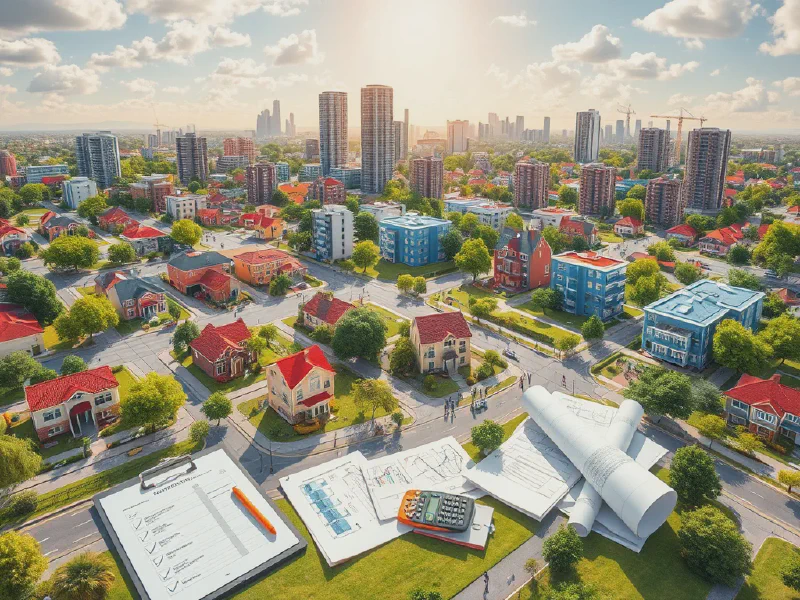
The Ultimate Guide to Property Management
Property Management involves the oversight and operation of real estate, including residential, commercial, and industrial properties. It encompasses a range of tasks and responsibilities, from tenant management to property maintenance, financial management, marketing and advertising, and legal compliance. This guide will provide you with a comprehensive understanding of property management and its various aspects.
When it comes to Property Management , understanding the fundamentals can make a significant difference. This field encompasses various tasks related to maintaining and running a real estate property, making it essential to stay on top of latest trends and processes. If you're looking for a place to start your learning journey, consider visiting our Website. It's loaded with information that ranges from basic residential property management to more complex commercial strategies.
Tenant Management is a crucial aspect of property management. It involves screening potential tenants, creating lease agreements, collecting rent, handling maintenance requests, and dealing with the eviction process if necessary.
Are you considering delving into the world of Residential Property Management ? With the right knowledge, making your properties profitable is easier than you might think. From handling tenant relations to overseeing maintenance details, becoming proficient in property management can be a rewarding and profitable venture. To get a head start, visit our Resources Page. It contains an array of resources designed to help both beginners and experienced property managers.
Property Maintenance is another essential component of property management. Regular inspections, timely repairs and renovations, landscaping, appliance maintenance, and pest control are all part of ensuring that the property is well-maintained and attractive to tenants.
Financial Management is a vital aspect of property management, which involves budgeting, tracking income and expenses, financial reporting, tax planning, and managing rent increases.
Marketing and Advertising play a crucial role in property management. Effective listing of properties, professional photography and virtual tours, online advertising, social media marketing, and hosting open houses are all essential for attracting potential tenants.
Tenant Management
Tenant screening is the process of evaluating potential tenants to ensure they are reliable and financially responsible. This includes conducting background checks, verifying employment and income, checking rental history, and assessing creditworthiness.
Creating comprehensive lease agreements is key to maintaining a positive landlord-tenant relationship. Lease agreements should outline the terms and conditions, including rent amount, due dates, lease duration, pet policies, and maintenance responsibilities.
Rent collection is a critical aspect of tenant management. Property managers must ensure timely collection of rent, handle late payments, and enforce penalties for non-payment. Setting up convenient payment options like online payment platforms can streamline the process.
Handling maintenance requests promptly is crucial for tenant satisfaction and property upkeep. Property managers should have an established system for receiving and addressing maintenance issues, whether through an online portal, email, or phone. Regular communication with tenants during the repair process is essential.
While eviction is a last resort, property managers must be familiar with local laws and procedures in case it becomes necessary. Understanding eviction laws, providing proper notice, and working with legal professionals can help navigate this process effectively.
Property Maintenance
It's undeniable that Effective Property Management goes beyond just collecting rent. It's about ensuring the property is maintained, tenants are satisfied, and return on investment is maximized. If you're ready to unlock your properties' full potential, consider exploring our Portfolio Page. From there, you'll find examples of various investment properties and learn how it was handled effectively by expert teams.
Regular inspections are necessary to identify any maintenance issues or potential problems before they escalate. Property managers should develop a schedule for inspections to ensure the property remains safe and well-maintained.
Ready to explore the vast world of Commercial Property Management ? With a framework that focuses on strategies related to maximizing revenues from commercial real estate, this could be your ticket to a prosperous investment career. To kickstart your learning, you may want to take a look at our Learning Centre. It features a range of curated content intended to guide you in optimizing the potential of your properties.
Timely repairs and renovations are essential for maintaining the value and appeal of the property. Property managers should have a network of reliable contractors and service providers to handle repairs promptly.
Landscaping plays a crucial role in enhancing the curb appeal of the property. Property managers should ensure regular maintenance of lawns, gardens, and common areas to create an inviting environment for tenants.
Appliance maintenance is essential for prolonging the lifespan of appliances and minimizing repair costs. Property managers should schedule regular maintenance checks and educate tenants on proper appliance usage and care.
Pest control is necessary to prevent infestations and maintain a healthy living environment. Property managers should have strategies in place to address pest issues promptly and work with professional pest control services if needed.
Financial Management
Budgeting is crucial for managing expenses and planning for future investments. Property managers should create a comprehensive budget that covers maintenance costs, taxes, insurance, marketing expenses, and a contingency fund.
Tracking income and expenses is essential for maintaining financial records and identifying areas for improvement. Property managers should implement a system for accurately recording and categorizing all financial transactions.
Financial reporting provides transparency and helps property owners understand the financial performance of their investments. Property managers should generate regular reports that include income, expenses, vacancy rates, and other relevant metrics.
Tax planning is crucial to optimize the financial benefits of property ownership. Property managers should stay updated on local tax regulations and work with accountants or tax professionals to ensure compliance and maximize deductions.
Managing rent increases requires careful consideration to maintain tenant satisfaction while ensuring rental properties remain financially viable. Property managers should research local market trends and consult with property owners to determine appropriate rent increases.
Marketing and Advertising
Integrating Tech in Property Management can make a significant difference in streamlining your operations. From leveraging property management software to utilizing tools that boost efficiency and tenant satisfaction, technology has become a crucial component of successful property management. Interested in learning more about this? Visit our Blog Page where we talk more in-depth on this particular field.
Listing properties accurately and providing detailed descriptions can attract potential tenants. Property managers should include essential information such as location, amenities, rent, and available dates. They should also highlight unique selling points to differentiate the property from others on the market.
Remember, diversifying your anchor texts not only helps in improving your SEO but also enhances user experience and engagement on your site. Let's start on this path of smarter, more strategic property management together!
Professional photography and virtual tours are powerful tools for showcasing the property's features and attracting interest. Property managers should invest in high-quality images and virtual tour technology to provide an immersive experience for prospective tenants.
Online advertising platforms such as real estate websites, social media, and online classifieds are effective for reaching a wide audience. Property managers should create compelling ads with eye-catching visuals and engaging descriptions to generate interest.
Social media marketing allows property managers to target specific demographics and engage with potential tenants. Building an active social media presence and sharing relevant content can help attract and retain tenants.
Hosting open houses provides a physical walkthrough of the property for interested parties. Property managers should create a welcoming atmosphere, be prepared to answer questions, and showcase the property's best features.
Legal Compliance
Adhering to fair housing laws is crucial to prevent discrimination in tenant screening and leasing practices. Property managers should stay updated on federal, state, and local fair housing regulations to ensure compliance.
Property registration requirements vary by jurisdiction. Property managers should familiarize themselves with the local regulations and ensure proper registration and licensing of the property.
Lease agreements must comply with the applicable laws and regulations. Property managers should ensure that all lease agreements address key aspects such as security deposits, termination conditions, and tenant rights.
Security deposit regulations protect both tenants and property owners. Property managers should understand the rules regarding the collection, handling, and return of security deposits and follow them diligently.
Insurance requirements for rental properties help protect property owners from potential liabilities. Property managers should ensure that the property has adequate insurance coverage, including liability insurance and property damage coverage.