Maximize Your Returns: Analyzing the Rental Market for Investment Opportunities
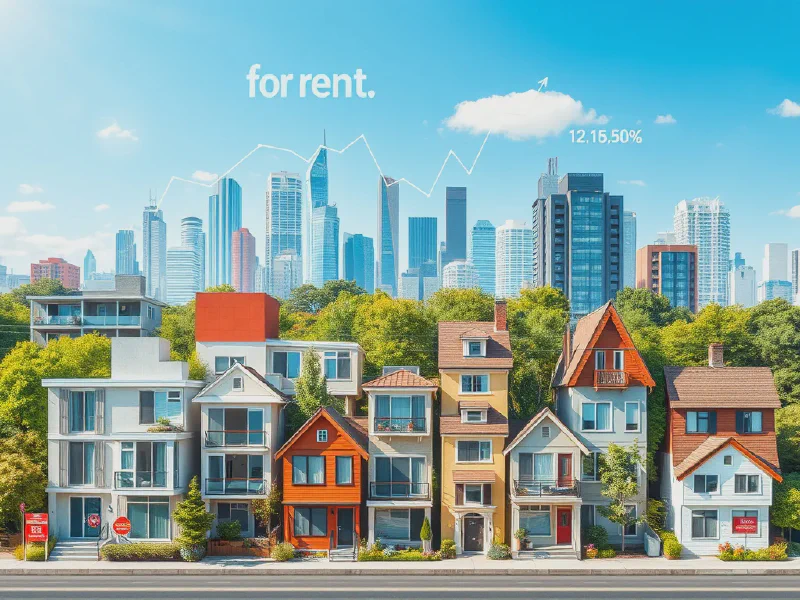
Analyzing the Rental Market for Investment Opportunities
Analyzing the rental market for investment opportunities is a vital task for real estate investors seeking to maximize their returns. Understanding the nuances of the rental market can lead to better investment decisions and higher profitability. This involves looking at trends, neighborhood characteristics, and economic factors that influence rental demand and pricing.
To effectively analyze the rental market, investors should start by keeping an eye on current trends that impact the rental landscape. This includes recognizing the rise of remote work, shifts in population demographics, and economic conditions that affect people's ability to rent. These factors not only dictate which areas may be more desirable for potential tenants but also signal where rental prices may trend in the future.
Researching potential investment areas is crucial for analyzing the rental market. Investors should leverage various tools and resources which provide comprehensive rental statistics. Combining this data with an evaluation of neighborhood desirability allows investors to narrow their focus to areas with the greatest rental growth potential. Additionally, understanding local regulations governing rental properties can also influence investment decisions.
Identifying profitable rental types is another essential aspect of analyzing the rental market. Choices range from single-family homes to multi-family units and short-term rentals. Each type presents unique benefits and challenges, so investors should determine which aligns best with their goals. Understanding the dynamics of commercial property investments is also important, as this can diversify an investment portfolio and increase rental income.
Finally, financial considerations play a major role in analyzing the rental market for investment opportunities. Investors must calculate cash flow, assess financing options, and weigh the cost-benefit analysis of any renovations they might undertake to increase property value. Sound financial planning ensures that rental investments are profitable and sustainable over time.
understanding the nuances of the local economy is crucial for an effective Rental Market Analysis.
Current Trends in the Rental Market
The rental market is influenced by a multitude of economic factors that affect rental prices significantly. Inflation rates, employment rates, and interest rates can all create fluctuations in the rental market, leading either to increases or decreases in rental prices. Understanding these economic indicators allows investors to gauge current market conditions and make informed decisions about purchases.
Emerging neighborhoods often present the best opportunities for rental growth. Areas undergoing revitalization or development can see a surge in demand for rental properties. Knowledge of local infrastructure projects, schools, or businesses moving into a neighborhood can signal investment potential, making it essential for investors to stay updated on community developments.
The seasonal nature of rental demand cannot be overlooked, as it plays an important role in rental pricing strategy. Certain times of the year, such as summer or holidays, tend to see increased demand for rentals, while other periods may experience downturns. Understanding these trends can help landlords time their rental listings effectively to optimize occupancy rates and rental income.
Researching Potential Investment Areas
Investors can utilize a variety of tools for analyzing rental statistics, including online platforms and software that aggregate data on rental prices, vacancy rates, and demographic information. Access to comprehensive data empowers investors to identify emerging markets and make data-driven decisions, ultimately increasing their chances of success.
Evaluating neighborhood desirability involves looking at factors such as crime rates, school ratings, amenities, and overall quality of life. These elements are crucial in determining whether a neighborhood attracts desirable tenants. Conducting thorough research can help investors avoid less desirable locations that might hinder rental success.
Understanding local regulations and laws surrounding rental properties is essential for investors to ensure compliance and avoid potential pitfalls. Each area has its own set of rules regarding tenant rights, zoning laws, and rental licenses. Familiarity with these regulations protects investors from legal complications and enhances their credibility in the rental market.
Identifying Profitable Rental Types
When considering investment opportunities, investors must weigh the pros and cons of different rental types. Single-family homes may offer stable cash flow, while multi-family units can provide economies of scale. Analyzing the demand for these rental types within specific markets helps investors make informed choices about the properties they pursue.
Short-term rentals, such as vacation homes or Airbnb listings, can yield higher returns, particularly in tourist-heavy areas. However, they also come with increased management responsibilities and fluctuating occupancy rates. Long-term leases tend to provide steady income, making them a safer investment option in certain markets where turnover is lower.
Commercial properties represent another avenue for rental investment. Retail spaces, office buildings, or industrial properties can offer higher returns but often come with greater risk and investment upfront. Understanding the commercial rental market and potential growth areas is crucial for investors looking to diversify their portfolios.
Financial Considerations in Rental Investment
Calculating cash flow and returns is paramount when analyzing rental opportunities. Investors should account for all potential income against expenses, such as property management fees, maintenance costs, and taxes. Establishing a detailed cash flow projection ensures that investors are well-equipped to determine the investment’s profitability.
Understanding financing options is critical for rental purchases. Investors might explore traditional mortgages, private loans, or even partnerships to fund their acquisitions. Each option comes with its own set of requirements and considerations, so evaluating which financing method aligns with the investor's financial strategy is essential.
A thorough cost-benefit analysis of rental renovations can influence an investor's decision-making. Investing in upgrades or repairs may lead to higher returns through increased rental income or property value, but it’s vital to ensure that the costs align with expected returns. Strategic renovations can enhance profitability in competitive rental markets.
Marketing Your Rental Properties
Effective online marketing strategies are key for attracting potential tenants. Listing properties on popular rental websites and utilizing search engine optimization techniques can improve visibility. A well-constructed online presence can differentiate an investor's property from competitors, ensuring it captures the attention of target tenants.
Professional photography is immensely important when marketing rental properties. High-quality images can showcase the property's best features, attracting prospective tenants more effectively than amateur photos. Investing in professional photography pays off by improving interest and promoting quicker rental agreements.
Leveraging social media platforms is an effective way to reach a wider audience for rental properties. By creating engaging content and utilizing paid advertising, investors can attract interest from various demographics. Social media also enables direct communication with potential renters, fostering a sense of accessibility and customer service.
Management of Rental Properties
Best practices for property management include maintaining open lines of communication with tenants, conducting regular property inspections, and promptly addressing maintenance issues. Establishing a solid relationship with tenants enhances their overall satisfaction, contributing to longer lease durations and more reliable rental income.
Utilizing property management software can streamline day-to-day operations for landlords. These tools often help with tenant screening, rental payments, and maintenance requests, providing greater efficiency in managing multiple properties and enhancing the overall rental experience.
Effectively dealing with tenant issues is another crucial aspect of property management. Establishing clear policies and procedures for resolving conflicts, late payments, and other tenant-related issues fosters a positive rental atmosphere and minimizes disputes, creating a harmonious landlord-tenant relationship.
Future Predictions for the Rental Market
The impact of technology on rental trends is expected to grow significantly. As online platforms for rentals expand, potential tenants gain easier access to listings, leading to greater competition among landlords. Additionally, smart home technology can enhance property value, providing further advantages for tech-savvy investors.
Changing demographics and renting habits indicate a shift towards millennials and Gen Z preferring rental options. This shift is expected to continue, with younger generations valuing flexibility and mobility, which could lead to a sustained demand for rental properties in urban areas.
Potential economic challenges for landlords, such as rising interest rates or changes in rental regulations, could impact the rental market. Investors should stay alert to these shifts, adjusting their strategies accordingly to mitigate risks and capitalize on opportunities in the evolving rental landscape.